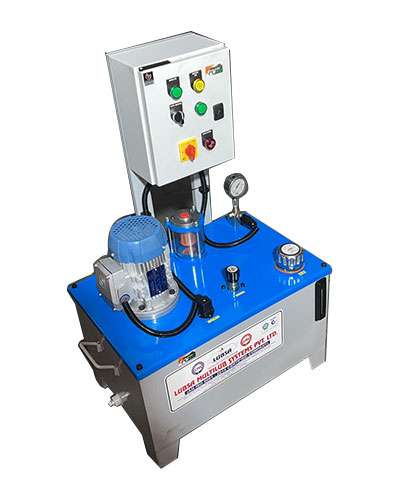
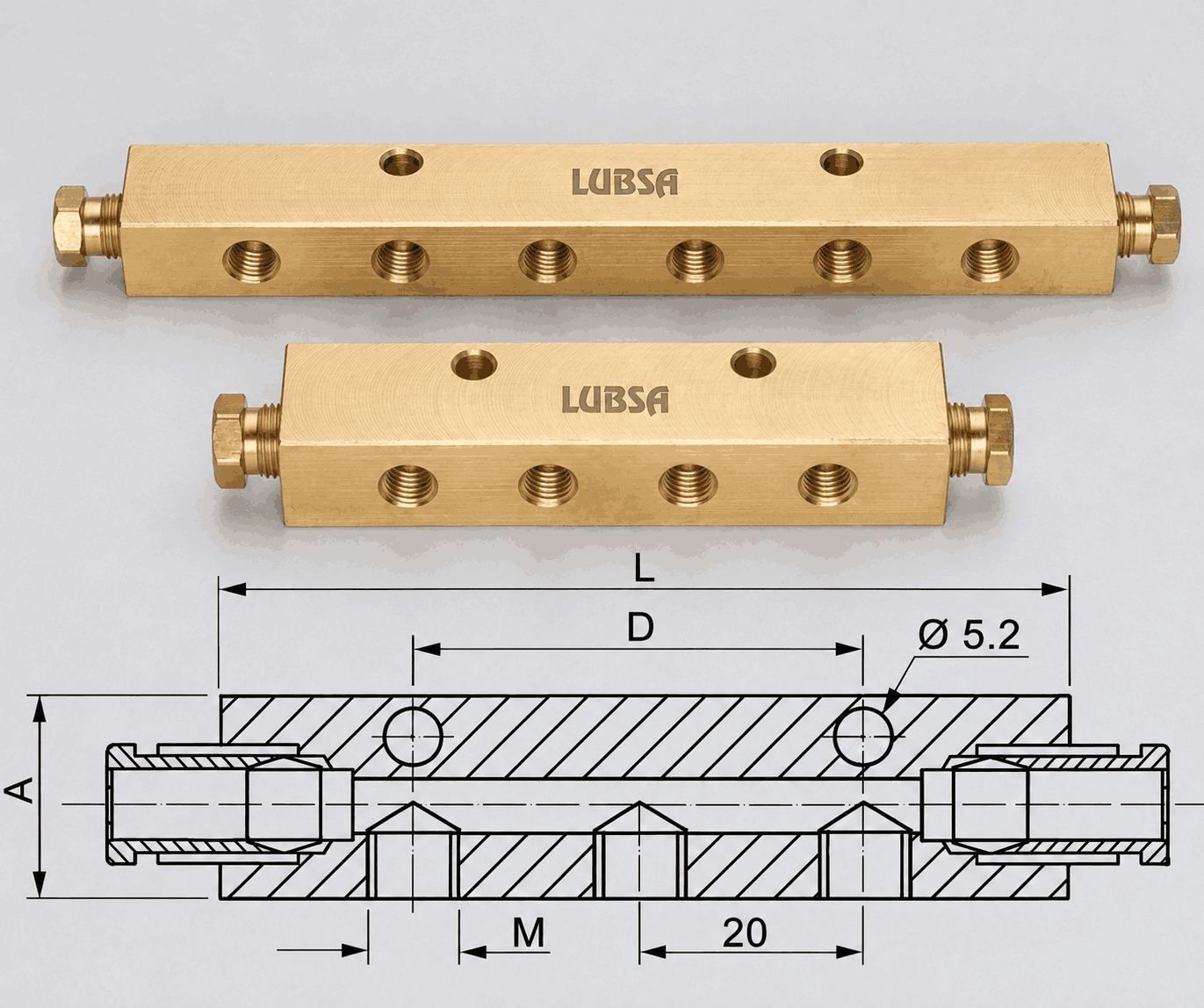
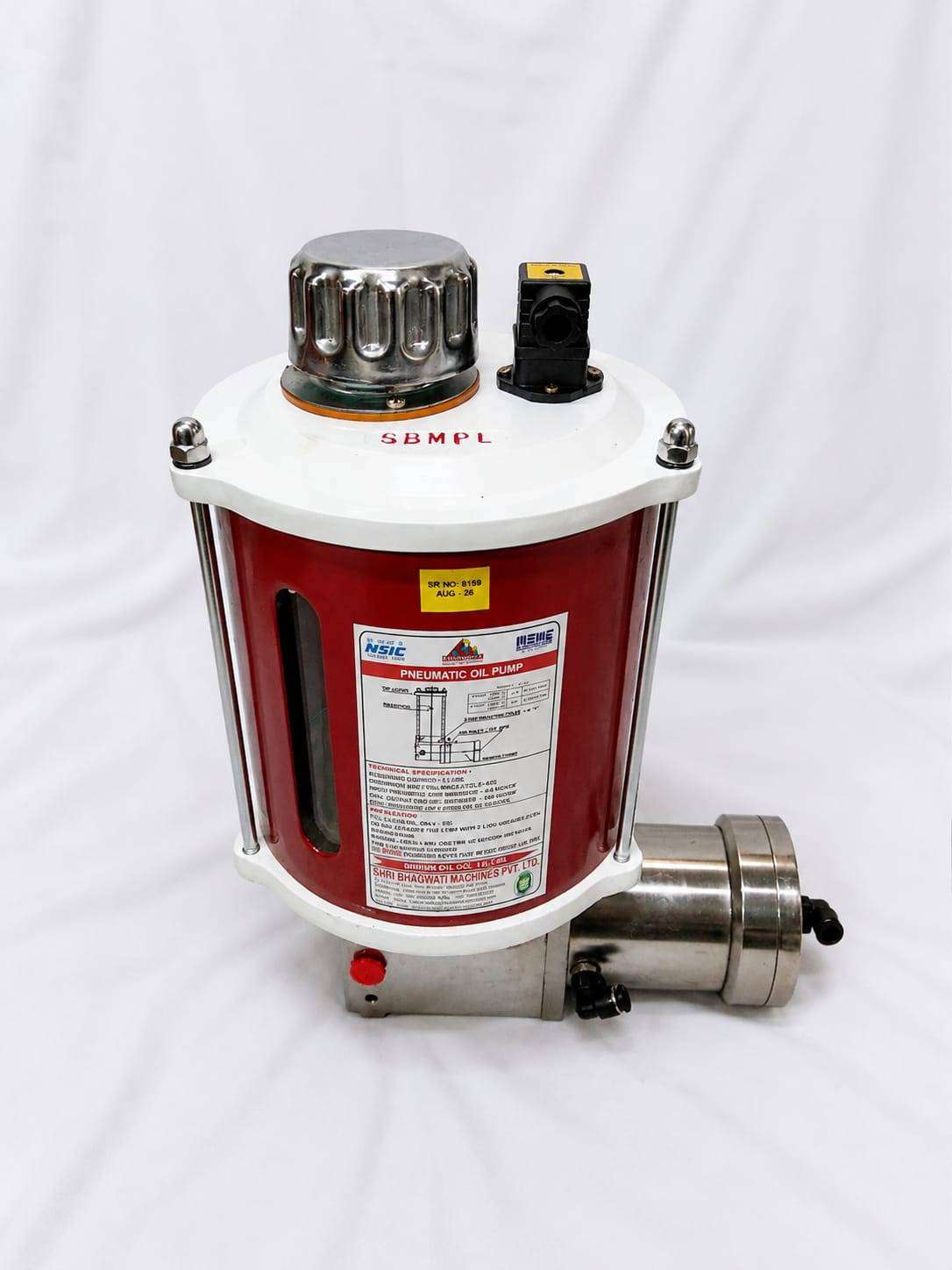
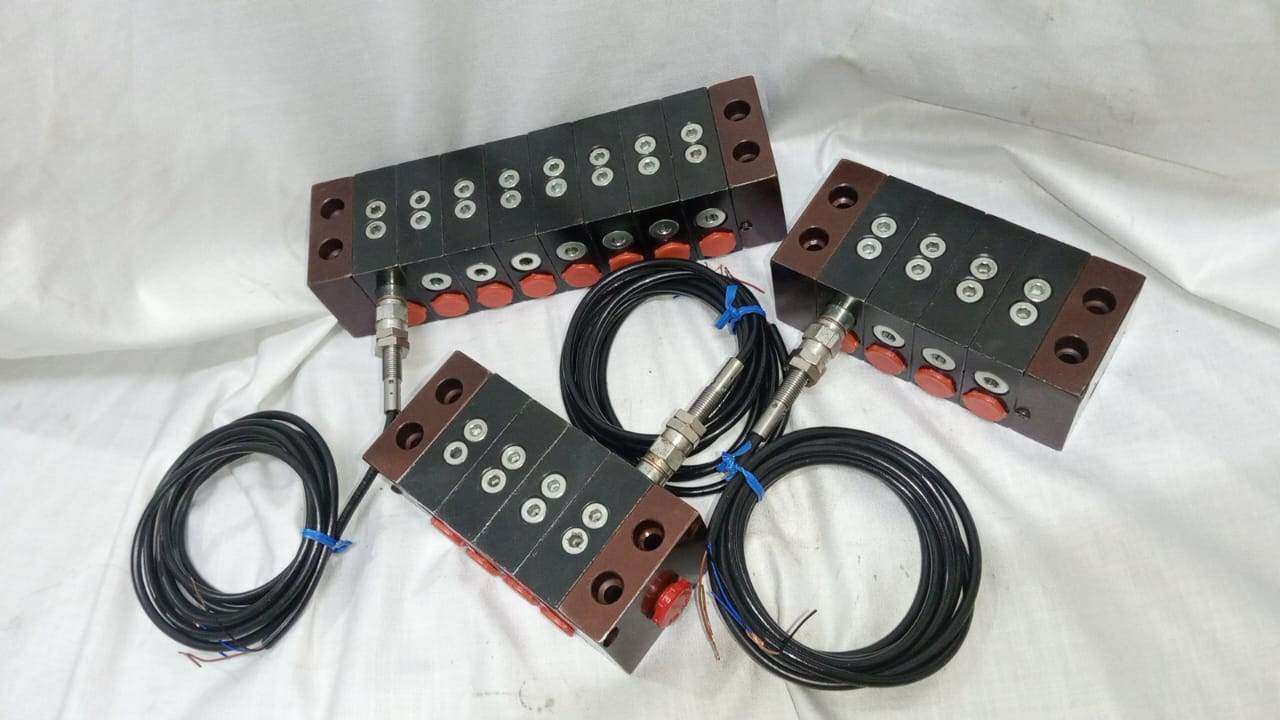
Lubsa Multilub Systems Pvt. Ltd. is an experienced Oil Circulation System Manufacturer in India, providing engineered oil lubrication and recirculation solutions for industrial machinery, bearings, gearboxes, rolling mills, steel plants, cement plants, sugar mills, paper mills, and other continuous-duty applications.
An Oil Circulation System is designed to continuously supply lubricating oil to critical machine components while collecting the used oil and returning it to a central reservoir. The oil can then be filtered, cooled, monitored, and circulated again. This closed-loop arrangement makes oil circulation particularly suitable for machinery operating under high loads, high speeds, elevated temperatures, and continuous production conditions.
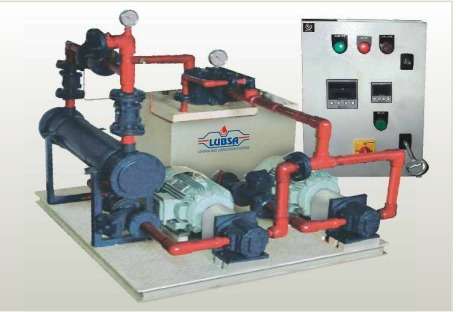
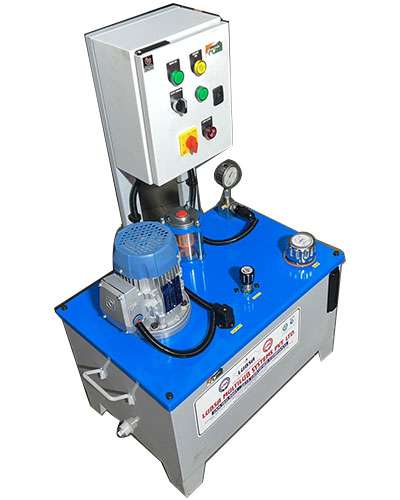
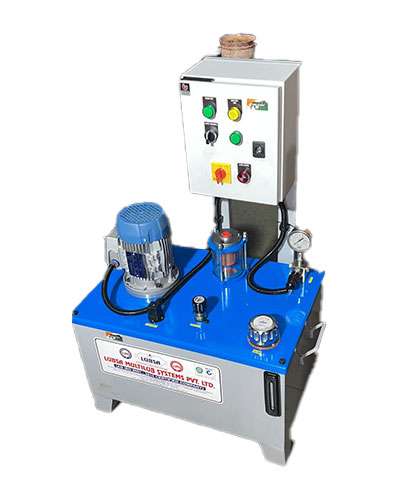
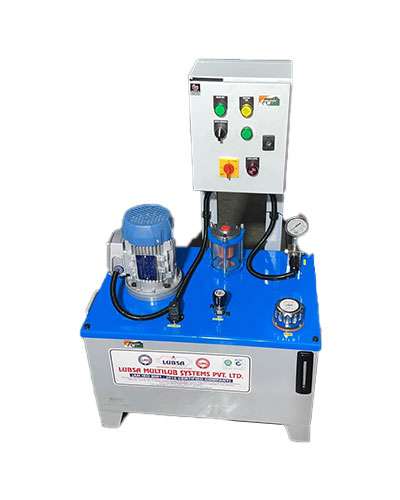
Lubsa Multilub designs and supplies oil recirculating systems with components such as oil reservoirs, pumps, filters, coolers, pressure and temperature instruments, flow monitoring devices, valves, pipelines, and control panels. System configuration can be developed according to machine requirements, lubrication points, oil flow, pressure, temperature, operating conditions, and application requirements.
Whether you are looking for an oil circulation system supplier, a complete lube oil circulation system, a bearing oil circulation system, or a customized oil recirculating solution for heavy machinery, Lubsa Multilub can help you select a suitable system for your application.
What Is an Oil Circulation System?
An Oil Circulation System, also known as an oil circulating system, oil recirculation system, oil circulatory system, or lube oil system, is a closed-loop lubrication arrangement in which oil is continuously pumped from a reservoir to machine components and then returned to the reservoir.
Unlike a simple lubrication arrangement where oil may be supplied and consumed, an oil circulation system continuously recovers the lubricant. The returning oil can be filtered and cooled before being supplied back to the lubrication points.
The basic circulation cycle is:
Oil Reservoir → Pump → Filter → Distribution Line → Bearings/Gears → Return Line → Cooler/Filter → Reservoir
This continuous circulation provides two major functions:
- Lubrication – supplying oil to bearings, gears, shafts and other moving components.
- Heat and contamination management – carrying away heat and helping remove contaminants from the lubrication circuit.
Oil circulation systems are particularly useful where machinery operates continuously and where lubrication must also contribute to temperature control.
How Does an Oil Circulation System Work?
An oil circulation system operates through a controlled and continuous flow of lubricating oil.
1. Oil Storage in the Reservoir
The system begins with a suitably sized oil reservoir. The reservoir stores the required quantity of lubrication oil and may include level indicators, level switches, breather arrangements, drain valves, baffles, filling arrangements, and other accessories.
The reservoir capacity depends on the required flow rate, machine application, oil characteristics, cooling requirements, and overall system design.
2. Oil Pumping
A pump draws oil from the reservoir and delivers it into the lubrication circuit.
Depending on the application, oil circulation systems can use suitable pump arrangements such as gear, screw, or centrifugal pumps. Pump selection depends on the required flow, pressure, oil viscosity, operating temperature, and machine requirements.
3. Oil Filtration
The oil passes through a filtration arrangement to remove unwanted particles and contaminants before reaching critical machine components.
Filtration is especially important in applications involving precision bearings, gearboxes, rolling equipment, and continuous-duty machinery where contamination can accelerate wear.
4. Oil Cooling
When oil absorbs heat from bearings, gears, or other components, its temperature can increase.
An oil cooler or heat exchanger can be incorporated into the circulation circuit to maintain the oil within the required operating temperature range.
Depending on the application, different cooling arrangements may be selected according to heat load, flow rate, available utilities, and installation requirements.
5. Oil Distribution
Filtered and conditioned oil is distributed through pipelines toward the required lubrication points.
Flow-control components can be used to regulate oil delivery to individual machine components.
6. Lubrication and Heat Removal
The oil reaches bearings, gears, shafts, gearboxes, or other components. It forms a lubricating film between moving surfaces and helps reduce friction and wear.
At the same time, circulating oil can carry heat away from the lubrication zone.
7. Return of Oil
After passing through the lubrication points, oil returns through a drain or return line to the reservoir.
The oil can then be filtered and cooled again before beginning another circulation cycle.
This continuous process makes an oil circulation system suitable for machinery where reliable lubrication and thermal management are both important.
Oil Circulation System Components
A properly engineered oil circulation system consists of several components working together.
Oil Reservoir
The reservoir stores the circulating oil and provides a controlled source for the pump. It may include level monitoring, drain arrangements, filling points, breather systems, baffles, and temperature-related accessories.
Oil Circulation Pump
The pump provides the flow required to circulate oil through the system. Pump selection is based on required flow, pressure, oil viscosity, temperature, and machine characteristics.
Oil Filter
Filters remove particulate contamination from the oil. Depending on the application, different filter configurations and filtration ratings can be selected.
Oil Cooler / Heat Exchanger
The oil cooler controls the temperature of circulating oil by transferring heat away from the oil. Shell-and-tube and plate-type heat exchangers can be considered according to the application.
Pressure Gauge and Pressure Switch
Pressure monitoring helps operators and control systems identify abnormal pressure conditions in the lubrication circuit.
Temperature Gauge / Temperature Switch / RTD
Temperature monitoring provides information about oil and equipment operating conditions and can be integrated into the control system.
Flow Switch
A flow switch can monitor whether oil is actually circulating through the required circuit.
Valves
The system can incorporate suitable check, ball, globe, gate, plug, pressure-control, and relief valves according to the circuit design.
Control Panel
The control panel can be configured to monitor and control system parameters such as pump operation, pressure, temperature, oil level, flow, alarms, and automatic changeover arrangements.
Types of Oil Circulation Systems
Different machines require different oil circulation configurations. Lubsa Multilub can develop the system according to application-specific requirements.
Lube Oil Circulation System
A Lube Oil Circulation System continuously supplies lubricating oil to machine components and returns it to a central reservoir.
It is commonly considered for applications where continuous lubrication, oil filtration, and temperature management are required.
Oil Recirculation System
An Oil Recirculation System operates on the principle of repeatedly circulating oil through a machine and returning it to the reservoir.
The term oil recirculation system is often used interchangeably with oil circulation system when describing closed-loop industrial lubrication arrangements.
Bearing Oil Circulation System
A Bearing Oil Circulation System is designed specifically for bearings that require continuous oil supply.
It can be useful for high-speed or high-load bearings where maintaining appropriate lubrication and temperature is critical.
Continuous oil flow can provide both lubrication and heat removal, making circulating oil suitable for demanding bearing applications.
Gearbox Oil Circulation System
Gearboxes operating continuously under significant loads can generate heat and require dependable lubrication.
A circulating oil system can supply oil to gears and bearings, collect the returning oil, and route it through filtration and cooling before recirculation.
Hot Oil Circulation System
The term Hot Oil Circulation System can refer to different types of industrial equipment depending on the application.
In lubrication, circulating oil may become hot because of friction, load, speed, or heat generated by machinery. In such applications, the oil circulation system can incorporate an oil cooler or heat exchanger to control oil temperature.
However, a thermal hot-oil system used primarily for process heating is different from an industrial lube oil circulation system. System selection should therefore be based on the actual process and machinery requirement.
Oil Circulation System for Bearings
Bearings are among the most important applications for circulating oil lubrication.
High-speed and heavily loaded bearings can generate considerable heat during operation. If lubrication is inadequate, excessive friction and temperature can contribute to premature wear and component failure.
A bearing oil circulation system provides a continuous supply of oil to the bearing housing. The returning oil can carry heat and contaminants away from the lubrication zone before being returned to the central system.
Depending on the application, the system may include:
- Oil reservoir
- Circulation pump
- Filtration system
- Oil cooler
- Flow monitoring
- Pressure monitoring
- Temperature monitoring
- Distribution and return piping
- Control panel
The final configuration should be selected according to bearing type, speed, load, oil viscosity, operating temperature, required flow, and machine design.
Oil Circulation System for Gearboxes
Industrial gearboxes can operate continuously under heavy loads and generate significant heat.
A properly designed oil circulation system for gearbox lubrication can supply oil to gears and bearings while helping control temperature and contamination.
The circulating oil can be filtered before returning to the lubrication circuit, helping maintain cleaner lubricant conditions.
Applications can include:
- Heavy-duty gearboxes
- Rolling mill gearboxes
- Cement plant drives
- Sugar mill machinery
- Paper mill drives
- Conveyor gearboxes
- Industrial transmission systems
- Other continuous-duty drive systems
Oil Circulation System for Rolling Mills
Rolling mills require dependable lubrication because many components operate under heavy loads, high speeds, vibration, and demanding production conditions.
An oil circulation system can be used for bearings, gearboxes, and other critical machine components where continuous lubrication and heat removal are required.
The system can be engineered with appropriate pumps, filters, coolers, flow controls, pressure monitoring, and temperature monitoring according to the rolling mill application.
Oil Circulation System for Steel Plants
Steel plants contain numerous machines that operate continuously under demanding conditions.
Oil circulation systems can support lubrication requirements for:
- Rolling mills
- Gearboxes
- Bearings
- Drive systems
- Heavy-duty machinery
- Continuous production equipment
A centralized oil circulation arrangement can simplify lubrication management while providing monitoring of important operating parameters.
Oil Circulation System for Cement Plants
Cement plant equipment often operates under high loads, dust, vibration, and continuous production cycles.
Oil circulation systems can be considered for gearboxes, bearings, drives, mills, and other equipment requiring continuous oil lubrication.
The inclusion of filtration and cooling can help maintain suitable oil conditions during prolonged operation.
Oil Circulation System for Sugar Mills
Sugar mill machinery includes crushers, mill drives, gearboxes, bearings, conveyors, and other equipment that can require dependable lubrication.
A centralized oil circulation system can supply oil continuously to selected lubrication points and return it to the reservoir.
This can reduce dependence on frequent manual lubrication and provide a more controlled lubrication arrangement for continuous-duty equipment.
Oil Circulation System for Paper Mills
Paper manufacturing equipment often includes high-speed rotating components, rollers, bearings, and gearboxes.
A suitable lube oil circulation system can provide continuous lubrication while helping manage heat generated during operation.
The system can be designed around the machine’s oil flow, pressure, temperature, filtration, and cooling requirements.
Oil Circulation System for Mining and Heavy Machinery
Mining and heavy industrial machinery operates in demanding environments involving high loads, dust, vibration, and long operating hours.
A suitable oil circulation system can help provide continuous lubrication to critical components while allowing oil filtration and cooling.
The final system should be selected according to the machine’s operating conditions and lubrication requirements.
Oil Circulation System in Engine vs Industrial Oil Circulation System
The search term “oil circulation system in engine” generally relates to the way lubricating oil is circulated through an engine to lubricate and cool internal components.
An industrial oil circulation system serves a similar fundamental lubrication principle—delivering oil to moving components—but the equipment, flow requirements, filtration, cooling arrangement, instrumentation, and control architecture can be significantly different.
For industrial machinery, the system may be a dedicated external package consisting of a reservoir, pump, filters, cooler, valves, instruments, distribution lines, and control panel.
Therefore, an engine lubrication circuit and a packaged industrial oil circulation system should not automatically be treated as the same product.
Oil Ring Circulation System
An Oil Ring Circulation System is a different lubrication approach in which an oil ring can pick up lubricant from an oil bath or reservoir and transport it toward a bearing surface as the shaft rotates.
Oil-ring lubrication can be used in specific bearing arrangements where the machine design supports this method.
A pumped oil circulation system, in contrast, uses an external pump and distribution circuit to continuously deliver oil to lubrication points.
The appropriate method depends on bearing design, speed, load, temperature, machine layout, and lubrication requirements.
Oil Circulation Lubrication Systems: Key Advantages
A properly designed oil circulation lubrication system can provide several benefits for industrial machinery.
Continuous Lubrication
Oil is continuously supplied to critical components, which is useful for machines operating for extended periods.
Heat Removal
Circulating oil can carry heat away from bearings, gears, and other components. An oil cooler can further control oil temperature when required.
Filtration
The circulation circuit can incorporate filters to remove contaminants from the oil before it returns to critical machine components.
Reduced Manual Intervention
Centralized circulation reduces the requirement for operators to manually lubricate individual components.
Better Lubrication Control
Pressure, flow, temperature, and oil level can be monitored through suitable instruments and controls.
Improved Equipment Reliability
Maintaining suitable lubrication conditions can help reduce friction and wear and support reliable machinery operation.
Suitable for Continuous-Duty Machinery
Oil circulation is particularly useful for machinery that operates continuously and requires stable lubrication conditions.
How to Select the Right Oil Circulation System?
Selecting the right oil circulation system requires a detailed understanding of the machinery and operating conditions.
Important factors include:
Required Oil Flow
The required flow rate depends on the number of lubrication points, component design, heat load, and manufacturer’s lubrication requirements.
Operating Pressure
The pump and distribution system should be selected according to the required pressure and circuit resistance.
Oil Viscosity
The selected pump and system components should be compatible with the oil viscosity across the expected operating temperature range.
Operating Temperature
The system should account for normal oil temperature as well as the maximum expected operating temperature.
Heat Load
If the machinery generates significant heat, an appropriate cooling arrangement may be required.
Filtration Requirements
The filtration arrangement should be selected according to the sensitivity of the machine components and required cleanliness of the circulating oil.
Reservoir Capacity
The reservoir should provide sufficient oil volume for the application’s circulation and thermal requirements.
Monitoring and Controls
Critical systems may require pressure switches, temperature sensors, flow switches, level switches, alarms, and automatic pump changeover.
Why Choose Lubsa Multilub for Oil Circulation Systems?
Lubsa Multilub Systems Pvt. Ltd. provides industrial lubrication and oil circulation solutions designed around machinery requirements.
Our oil recirculating systems can incorporate the major components required for an industrial circulation package, including pumps, reservoirs, filters, oil coolers, instrumentation, valves, and control systems.
Application-Based System Design
Every machine has different lubrication and cooling requirements. We focus on selecting the system configuration according to the actual application rather than using a one-size-fits-all arrangement.
Customized Oil Circulation Solutions
Oil circulation systems can be developed according to required flow, pressure, temperature, number of lubrication points, machine layout, and operating conditions.
Industrial Lubrication Expertise
Lubsa Multilub works with industrial lubrication applications involving oil and grease-based lubrication requirements.
Complete System Approach
Instead of supplying only an individual pump, the oil circulation package can include the reservoir, pumping arrangement, filtration, cooling, instrumentation, valves, and controls required for the intended application.
Support for Heavy-Duty Applications
Oil circulation technology is suitable for applications involving bearings, gearboxes, rolling mills, steel plants, cement plants, sugar industries, and other continuous-duty machinery.
Oil Circulation System Supplier for Industrial Applications
If you are searching for an Oil Circulation System Supplier, it is important to evaluate more than the pump or reservoir alone.
A reliable system supplier should understand:
- Required oil flow
- Pressure requirements
- Bearing or gearbox requirements
- Oil viscosity
- Heat generation
- Filtration requirements
- Cooling requirements
- Machine layout
- Instrumentation
- Safety and control requirements
Lubsa Multilub can assist in evaluating these factors and developing an oil circulation solution based on the application.
Frequently Asked Questions
What is an oil circulation system?
An oil circulation system is a closed-loop lubrication system that continuously pumps oil from a reservoir to machine components and returns the oil for filtration, cooling, and recirculation.
What is the difference between oil circulation and oil recirculation?
In industrial lubrication, the terms are often used interchangeably. Both generally describe a system where oil is continuously circulated from a reservoir to lubrication points and returned for reuse.
What is a lube oil circulation system?
A lube oil circulation system continuously supplies lubricating oil to bearings, gears, shafts, gearboxes, or other moving components while returning the oil to a central reservoir.
What is a bearing oil circulation system?
A bearing oil circulation system continuously supplies oil to bearings and can also help remove heat from the bearing area. It is particularly useful for applications involving high speed, heavy loads, or continuous operation.
Can an oil circulation system be used for gearboxes?
Yes. Oil circulation systems can be designed for industrial gearboxes where continuous lubrication, filtration, and cooling are required.
What is a hot oil circulation system?
The term can describe different systems depending on the application. In industrial lubrication, it may refer to a circulating oil system where oil temperature needs to be controlled using a cooler or heat exchanger. Process heating systems using hot thermal oil are a different application.
What is an oil circulation system in an engine?
An engine has its own oil circulation circuit that circulates lubricant through internal components. Industrial oil circulation systems are typically larger external packages with reservoirs, pumps, filters, coolers, instrumentation, and controls.
What is an oil ring circulation system?
An oil ring system uses a rotating oil ring to transport lubricant from an oil reservoir toward a bearing. It is different from a pumped external oil circulation system.
Is an oil circulation system suitable for rolling mills?
Yes. Oil circulation systems can be designed for rolling mill bearings, gearboxes, and other components requiring continuous lubrication and heat management.
Can Lubsa Multilub customize an oil circulation system?
Yes. System configuration can be developed according to the machine type, required flow, pressure, temperature, lubrication points, oil characteristics, filtration requirements, cooling requirements, and control needs.
What components are included in an oil circulation system?
Depending on the application, a system may include an oil reservoir, pump, filter, oil cooler or heat exchanger, pressure gauges, pressure switches, temperature sensors, flow switches, level switches, valves, distribution piping, return lines, and a control panel.
How do I select an oil circulation system?
Selection should be based on required oil flow, pressure, viscosity, temperature, heat load, number of lubrication points, filtration requirements, reservoir capacity, machine layout, and control requirements.
Get a Customized Oil Circulation System from Lubsa Multilub
Reliable lubrication is essential for machinery operating under high loads, high speeds, elevated temperatures, and continuous production conditions. A properly engineered Oil Circulation System can provide continuous lubrication while supporting oil filtration, cooling, monitoring, and controlled distribution.
Lubsa Multilub Systems Pvt. Ltd. provides oil circulation and recirculating lubrication solutions for industrial applications involving bearings, gearboxes, rolling mills, steel plants, cement plants, sugar mills, paper mills, and heavy-duty machinery.
Whether you need a Lube Oil Circulation System, Oil Recirculation System, Bearing Oil Circulation System, Gearbox Oil Circulation System, or customized industrial oil circulation package, our team can help develop a suitable solution around your machinery requirements.