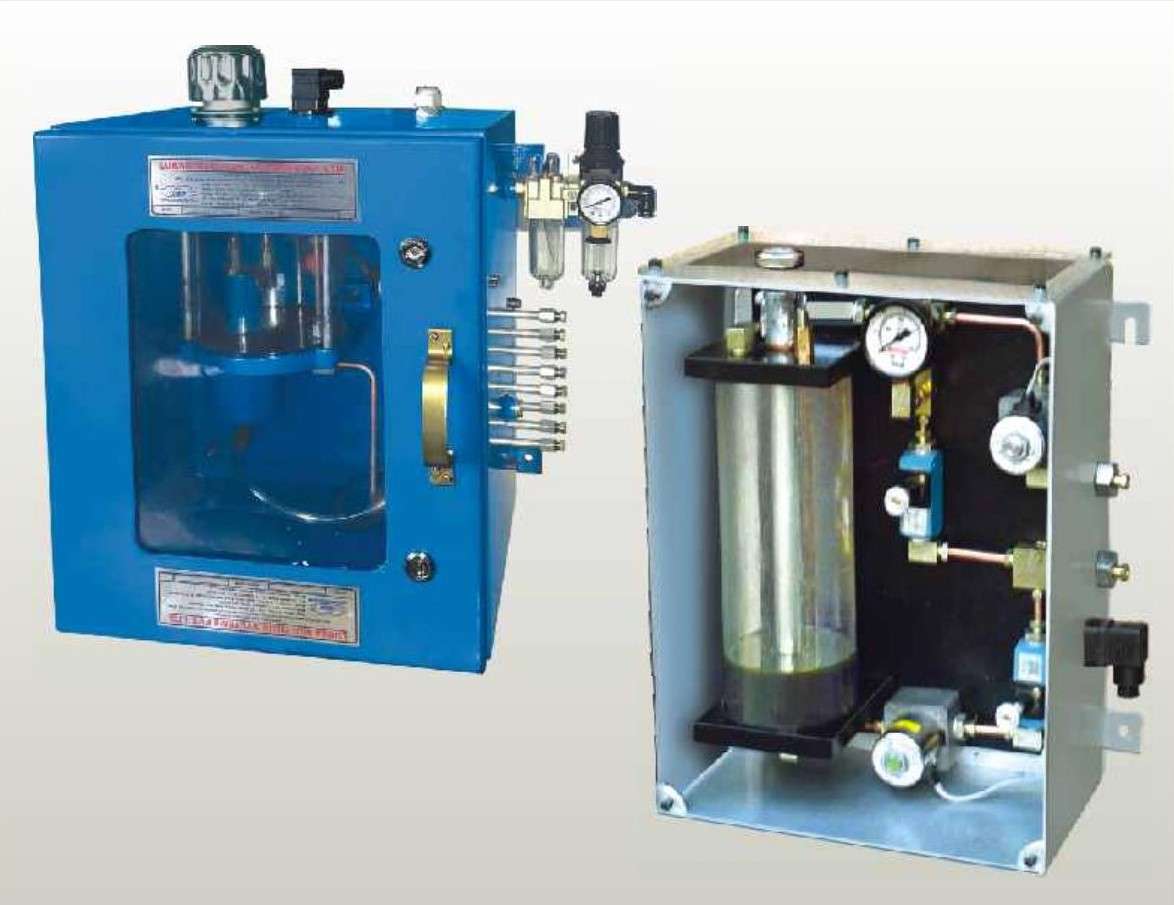
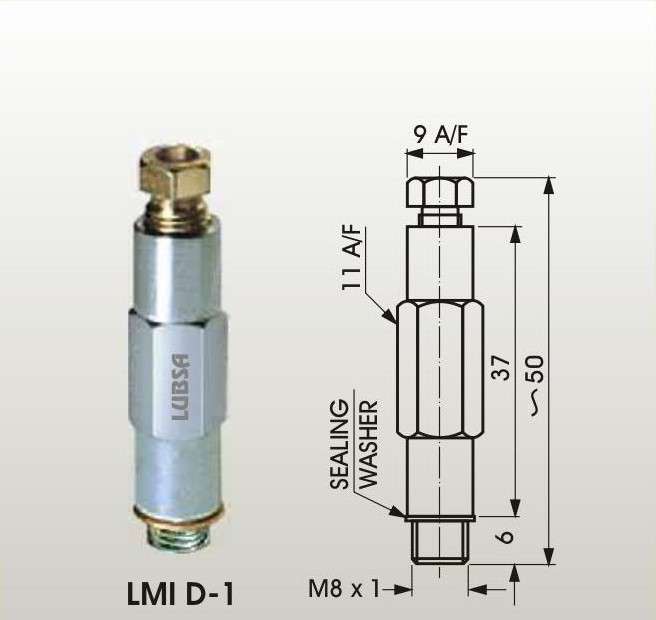
A hydraulic power pack is an essential component of modern hydraulic machinery, providing the controlled hydraulic energy required to operate cylinders, actuators, presses, lifting mechanisms, and other hydraulic equipment. When combined with a suitable hydraulic cylinder, a hydraulic power pack provides a reliable and efficient method of converting fluid power into controlled mechanical movement.
In industries where machines need high force, precise movement, lifting capability, pushing, pulling, pressing, or clamping, hydraulic systems provide an effective solution. A properly designed hydraulic power pack and cylinder assembly can help machinery operate smoothly while maintaining the required pressure and flow for its application.
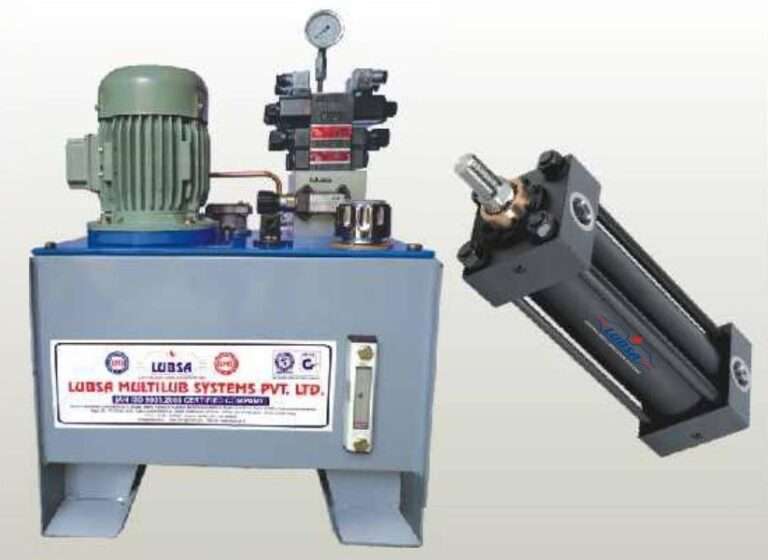
LUBSA Multilub Systems provides industrial hydraulic power pack and cylinder solutions for demanding machinery and specialized applications. The company’s existing product range includes hydraulic power packs equipped with positive displacement pumps and configurations designed for pressures up to 500 bar, with power ranges from 14 HP to 100 HP. The systems include components such as reservoirs, pumps, electric motors, control valves, pressure relief valves, gauges, and filtration arrangements.
Whether you are developing industrial machinery, upgrading an existing hydraulic system, or looking for a reliable hydraulic power source, choosing the correct power pack and cylinder combination is important for achieving dependable machine performance.
What Is a Hydraulic Power Pack?
A hydraulic power pack is a self-contained hydraulic power unit designed to generate and control hydraulic energy for operating different types of machinery.
It normally combines several important components into one integrated system. These components work together to store hydraulic fluid, generate pressure, control flow, and deliver hydraulic power to the machine.
A typical hydraulic power pack can include:
- Hydraulic reservoir
- Hydraulic pump
- Electric motor
- Control valves
- Pressure relief valve
- Pressure gauge
- Filtration system
- Hydraulic connections
- Electrical control components
The hydraulic pump draws fluid from the reservoir and converts mechanical energy from the motor into hydraulic energy. The pressurized hydraulic fluid is then directed toward the required actuator or hydraulic cylinder.
The hydraulic power pack therefore acts as the central power source of a hydraulic system.
Instead of installing individual hydraulic components separately, an integrated power pack provides a compact and organized solution for supplying hydraulic power.
What Is a Hydraulic Cylinder?
A hydraulic cylinder is a mechanical actuator that converts hydraulic pressure into linear mechanical force.
When pressurized hydraulic fluid enters the cylinder, it acts against a piston. This creates a linear movement that can be used for lifting, pushing, pulling, pressing, clamping, tilting, or positioning.
A hydraulic cylinder generally consists of components such as:
- Cylinder barrel
- Piston
- Piston rod
- Seals
- End caps
- Hydraulic ports
- Mounting arrangement
The cylinder must be selected according to the force, stroke, pressure, speed, mounting arrangement, and operating conditions of the application.
A hydraulic power pack and cylinder work together as a complete hydraulic system. The power pack generates and controls hydraulic pressure, while the cylinder converts that hydraulic energy into useful mechanical movement.
How Does a Hydraulic Power Pack Work?
The working principle of a hydraulic power pack is relatively straightforward, although the complete system can be engineered for highly complex machinery.
The hydraulic fluid is stored inside the reservoir. When the system is activated, the electric motor drives the hydraulic pump.
The pump draws hydraulic fluid from the reservoir and sends it through the hydraulic circuit under pressure.
Control valves regulate the direction and flow of hydraulic fluid. Depending on the machine design, the fluid can be directed toward a hydraulic cylinder to extend or retract the piston.
Once the hydraulic cylinder completes its required movement, the hydraulic fluid can return through the hydraulic circuit to the reservoir.
The basic operating sequence is:
Hydraulic Reservoir → Pump → Pressurized Hydraulic Fluid → Control Valve → Hydraulic Cylinder → Return Flow → Reservoir
This cycle can be controlled according to the requirements of the machine.
Pressure relief and filtration components help support reliable operation and protect the hydraulic system from excessive pressure and contamination.
How Does a Hydraulic Power Pack and Cylinder System Work Together?
A hydraulic power pack and hydraulic cylinder perform different but complementary functions.
The power pack generates the hydraulic energy.
The cylinder converts that hydraulic energy into mechanical force and movement.
For example, consider an industrial lifting application.
The hydraulic pump generates pressurized fluid. A control valve directs the fluid toward the cylinder. The pressure acts on the cylinder piston, causing the piston rod to extend and lift the required load.
When the control valve changes position, hydraulic fluid can be directed to the opposite side of the piston, allowing the cylinder to retract.
This combination provides controlled linear movement without requiring conventional mechanical transmission systems for the same operation.
The exact performance of the system depends on factors such as:
- Hydraulic pressure
- Hydraulic flow
- Cylinder bore
- Piston rod diameter
- Cylinder stroke
- Load
- Machine cycle
- Fluid characteristics
- Operating temperature
- Valve configuration
Therefore, the power pack and cylinder should be selected as part of a complete hydraulic system rather than as isolated components.
Hydraulic Power Pack Manufacturing
A high-quality hydraulic power pack must be designed according to the requirements of the application.
LUBSA’s hydraulic power pack configurations are designed for industrial applications where controlled hydraulic power is required. The existing product specification indicates positive displacement pumps, pressure capability up to 500 bar, and power ranges from 14 HP to 100 HP.
Depending on the application, the power pack can incorporate:
Hydraulic Pump
The pump is responsible for generating hydraulic flow and pressure. Pump selection depends on the required operating pressure, flow rate, duty cycle, and application.
Electric Motor
The motor provides the mechanical energy required to drive the hydraulic pump. Motor power must be selected according to the hydraulic requirements of the machine.
Hydraulic Reservoir
The reservoir stores hydraulic fluid and provides the necessary supply for the pump.
Control Valves
Control valves regulate the direction and flow of hydraulic fluid. Their configuration depends on the required cylinder movement and machine operation.
Pressure Relief Valve
A pressure relief valve helps protect the hydraulic circuit from excessive pressure.
Pressure Gauge
A pressure gauge allows operators or maintenance personnel to monitor hydraulic pressure.
Filtration
Filtration helps control contamination in the hydraulic fluid, which is important for protecting pumps, valves, cylinders, and other hydraulic components.
Benefits of Using a Hydraulic Power Pack
A properly designed hydraulic power pack can offer several benefits for industrial machinery.
Compact Hydraulic Power Source
A hydraulic power pack integrates major hydraulic components into a centralized unit. This can simplify machine design and installation.
Controlled Hydraulic Operation
The system can be designed to provide controlled hydraulic pressure and flow according to the application.
High Force Capability
Hydraulic systems are capable of generating substantial mechanical force from relatively compact equipment, making them suitable for demanding industrial applications.
Flexible Application
Hydraulic power packs can be adapted for different machine configurations and hydraulic cylinder requirements.
Easier System Integration
A self-contained power unit can simplify integration into new machinery and existing hydraulic systems.
Reliable Industrial Performance
Properly selected hydraulic components can support consistent machine operation under demanding industrial conditions.
Easier Maintenance
Centralizing major hydraulic components can make inspection and maintenance more organized.
Advantages of Hydraulic Power Pack and Cylinder Systems
A hydraulic power pack and cylinder combination can provide several advantages when compared with conventional mechanical systems for suitable applications.
High Force in a Compact System
Hydraulic pressure allows a relatively compact cylinder to generate significant linear force.
Controlled Linear Movement
Hydraulic cylinders can provide controlled extension and retraction, making them suitable for lifting, pressing, clamping, and positioning.
Flexible Installation
Hydraulic cylinders are available in different configurations and can be incorporated into various machine designs.
Suitable for Heavy-Duty Applications
Hydraulic systems are widely used where machines require significant force and repetitive operation.
Centralized Power Generation
One hydraulic power pack can supply hydraulic energy to one or more hydraulic actuators depending on system design.
Adaptability
Hydraulic systems can be engineered around specific pressure, flow, stroke, force, and control requirements.
Applications of Hydraulic Power Pack and Cylinder
Hydraulic systems are used across many industries because they provide a practical way to generate and control high mechanical force.
Industrial Machinery
Hydraulic power packs and cylinders can be integrated into specialized industrial machinery for lifting, pressing, positioning, clamping, and other operations.
Hydraulic Presses
Hydraulic power systems are commonly used where controlled pressing force is required.
Material Handling Equipment
Lifting and positioning equipment can use hydraulic cylinders to move heavy loads.
Construction Equipment
Various construction machines use hydraulic power for movement and actuation.
Manufacturing Equipment
Hydraulic systems can support clamping, forming, pressing, bending, and other manufacturing processes.
Special Purpose Machines
Customized machinery often requires dedicated hydraulic power packs and cylinders designed around specific movement and force requirements.
Lifting Systems
Hydraulic cylinders can provide controlled lifting movement for suitable industrial lifting equipment.
Agricultural Machinery
Hydraulic actuation is commonly used for lifting, positioning, and operating mechanisms in agricultural equipment.
Automation Equipment
Hydraulic systems can be incorporated into automated machines where high force and controlled linear movement are required.
Hydraulic Power Pack for Special Purpose Machines
Special purpose machines often require customized hydraulic solutions.
Unlike standard machines, special purpose equipment may have unique requirements related to pressure, flow, cylinder stroke, mounting, operating cycle, and available installation space.
A hydraulic power pack can be designed as a centralized hydraulic source for such machines.
The design process should consider:
- Required hydraulic pressure
- Required flow rate
- Motor power
- Reservoir capacity
- Cylinder bore
- Cylinder stroke
- Required force
- Operating cycle
- Valve arrangement
- Machine dimensions
- Environmental conditions
- Safety requirements
This application-specific approach can help ensure that the hydraulic system performs according to the machine’s actual operating requirements.
How to Select the Right Hydraulic Power Pack
Selecting a hydraulic power pack requires careful evaluation of the complete hydraulic circuit.
1. Determine Required Pressure
The operating pressure should be established based on the force requirements of the hydraulic cylinder and other actuators.
2. Calculate Required Flow
Flow rate influences the speed at which the hydraulic cylinder moves.
3. Select the Appropriate Pump
The pump should be compatible with the required pressure, flow, hydraulic fluid, and duty cycle.
4. Determine Motor Power
The electric motor must provide adequate power to drive the selected pump under the required operating conditions.
5. Select Reservoir Capacity
The reservoir should provide sufficient hydraulic fluid capacity for reliable system operation and heat management.
6. Select Control Valves
The valve configuration depends on the required movement, speed control, and machine operation.
7. Consider Filtration
Appropriate filtration is important for maintaining hydraulic fluid cleanliness and protecting system components.
8. Consider Operating Environment
Temperature, dust, moisture, vibration, and other environmental conditions can influence component selection.
How to Select the Right Hydraulic Cylinder
The hydraulic cylinder should also be selected carefully.
Cylinder Bore
The cylinder bore influences the force that the cylinder can generate at a particular pressure.
Stroke Length
The stroke determines the distance the piston rod can travel.
Operating Pressure
The cylinder should be suitable for the intended hydraulic pressure.
Piston Rod
Rod diameter and construction should be appropriate for the load and application.
Mounting Type
The cylinder mounting arrangement must match the machine structure and required movement.
Operating Speed
The hydraulic flow supplied by the power pack influences cylinder speed.
Environmental Conditions
Cylinder seals and materials should be suitable for the temperature and environmental conditions of the application.
Hydraulic Power Pack and Cylinder for Industrial Automation
Industrial automation increasingly requires reliable and repeatable machine movement.
Hydraulic systems can be integrated into automated machinery where high force and controlled linear movement are required.
A hydraulic power pack can provide the centralized hydraulic source, while cylinders can execute the required machine movements.
Depending on the control architecture, hydraulic systems can incorporate:
- Directional control valves
- Pressure sensors
- Flow control valves
- Limit switches
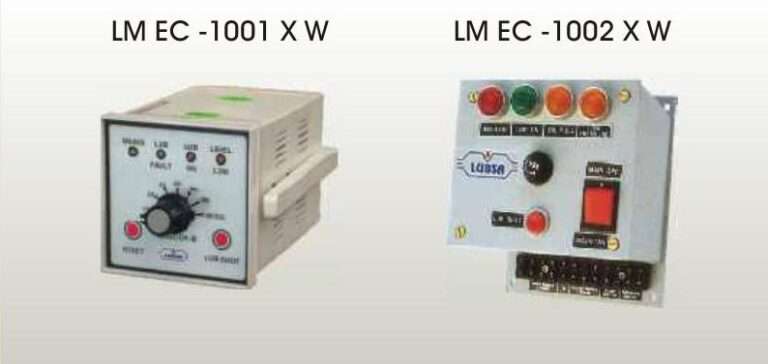
- Electrical control panels
- Pressure gauges
- Automated sequencing
This allows hydraulic movement to become part of an automated production process.
Hydraulic Power Pack Maintenance
Regular maintenance is essential for reliable hydraulic system performance.
Maintenance personnel should inspect the system periodically for:
- Hydraulic oil level
- Oil contamination
- Oil leakage
- Pump condition
- Motor operation
- Pressure levels
- Filter condition
- Valve performance
- Hydraulic hoses
- Fittings
- Cylinder seals
- Piston rod condition
- Abnormal noise
- Excessive temperature
Hydraulic fluid should be maintained according to the equipment manufacturer’s recommendations.
Contaminated hydraulic oil can negatively affect pumps, valves, cylinders, and other components. Proper filtration and routine inspection can therefore play an important role in hydraulic system maintenance.
Common Hydraulic Power Pack Problems
Even a properly designed hydraulic system can experience problems if it is not maintained correctly.
Excessive Hydraulic Noise
Unusual noise can be associated with issues such as air entering the system, pump problems, fluid conditions, or other hydraulic faults.
Pressure Loss
Low pressure may result from incorrect settings, leakage, pump issues, valve problems, or other system conditions.
Hydraulic Oil Leakage
Leaks can occur through damaged seals, loose fittings, hoses, or other components.
Slow Cylinder Movement
A cylinder that moves slower than expected may be affected by insufficient flow, pressure issues, contamination, or mechanical resistance.
Excessive Heating
High hydraulic temperature can be associated with excessive pressure, restricted flow, unsuitable operating conditions, or other system issues.
Cylinder Drift
Unwanted cylinder movement may indicate leakage or other hydraulic or mechanical issues that require inspection.
Regular maintenance and proper system design can help reduce these problems.
Why Hydraulic Filtration Is Important
Hydraulic systems rely on clean hydraulic fluid for reliable operation.
Contamination can affect sensitive hydraulic components such as pumps, valves, and cylinders. Particles may cause wear, interfere with valve operation, or damage sealing surfaces.
A hydraulic power pack can therefore incorporate filtration to help control contaminants within the hydraulic circuit.
Regular filter inspection and replacement should be performed according to operating conditions and manufacturer recommendations.
Hydraulic Power Pack Safety
Hydraulic systems can operate at high pressure, so safety should always be considered during installation, operation, and maintenance.
Important practices include:
- Never work on a pressurized hydraulic system.
- Release stored hydraulic pressure before maintenance.
- Use suitable hoses and fittings.
- Inspect hydraulic lines regularly.
- Keep hydraulic fluid clean.
- Use appropriate pressure protection.
- Follow equipment manufacturer’s safety instructions.
- Use suitable personal protective equipment.
- Ensure hydraulic components are correctly rated.
- Train operators and maintenance personnel.
Proper system design and safe maintenance practices are essential for protecting both machinery and personnel.
Why Choose LUBSA Hydraulic Power Pack and Cylinder Solutions?
LUBSA Multilub Systems focuses on industrial lubrication and hydraulic solutions for machinery and specialized applications.
The company’s hydraulic power pack and cylinder offering is positioned for industrial environments where controlled hydraulic power is required. The existing product information identifies positive displacement pumps, pressure capability up to 500 bar, power configurations from 14 HP to 100 HP, and integrated components including reservoirs, electric motors, control valves, pressure relief valves, gauges, and filtration.
Choosing a hydraulic system from an experienced industrial supplier can help businesses address application-specific requirements rather than relying on a generic configuration.
LUBSA can support applications involving industrial machinery, special purpose machines, lifting equipment, manufacturing systems, and other equipment requiring hydraulic power and controlled cylinder movement.
Hydraulic Power Pack and Cylinder: A Complete Solution for Controlled Force
A hydraulic power pack and cylinder are two essential elements of many hydraulic machines.
The power pack generates and controls hydraulic energy, while the cylinder converts that energy into linear mechanical movement. When these components are properly matched, they can provide high force, controlled motion, and reliable operation for demanding industrial applications.
The right system depends on the machine’s pressure, flow, force, stroke, speed, duty cycle, environmental conditions, and control requirements.
For this reason, hydraulic system selection should be approached as an engineering decision rather than simply choosing a standard power unit.
LUBSA can help industries identify suitable hydraulic power pack and cylinder configurations according to their application requirements.
Frequently Asked Questions About Hydraulic Power Pack and Cylinder
1. What is a hydraulic power pack?
A hydraulic power pack is a self-contained hydraulic unit that generates and controls hydraulic energy. It typically includes a hydraulic reservoir, pump, electric motor, control valves, pressure protection, and filtration components.
2. What is the purpose of a hydraulic cylinder?
A hydraulic cylinder converts hydraulic pressure into linear mechanical force. It can be used for lifting, pushing, pulling, pressing, clamping, positioning, and other machine movements.
3. How does a hydraulic power pack and cylinder work together?
The hydraulic power pack generates pressurized hydraulic fluid and sends it through control valves to the hydraulic cylinder. The pressure acts on the cylinder piston and creates linear movement.
4. What are hydraulic power packs used for?
Hydraulic power packs are used in industrial machinery, special purpose machines, lifting systems, presses, manufacturing equipment, automation systems, construction machinery, and other applications requiring hydraulic power.
5. What pressure can a LUBSA hydraulic power pack provide?
The current LUBSA product page states that its hydraulic power packs and cylinders can generate pressures up to 500 bar, depending on the configuration and application.
6. What motor power ranges are available?
The current product information lists configurations ranging from 14 HP to 100 HP. The appropriate motor size depends on the hydraulic pressure, flow, duty cycle, and application requirements.
7. What are the main components of a hydraulic power pack?
Typical components include a reservoir, hydraulic pump, electric motor, control valves, pressure relief valve, pressure gauge, filtration system, and hydraulic connections.
8. How do I choose a hydraulic power pack?
Consider required pressure, flow rate, motor power, reservoir capacity, hydraulic fluid, operating cycle, environmental conditions, control requirements, and the hydraulic cylinder or actuator being operated.
9. How do I choose a hydraulic cylinder?
Cylinder selection depends on required force, operating pressure, bore diameter, stroke length, piston rod diameter, mounting arrangement, operating speed, and environmental conditions.
10. Can a hydraulic power pack operate multiple cylinders?
Yes, a properly designed hydraulic circuit can supply hydraulic power to multiple cylinders. The required pump capacity, valve arrangement, pressure, flow, and control system must be selected according to the application.
11. Is a hydraulic power pack suitable for special purpose machines?
Yes. Hydraulic power packs can be engineered for special purpose machines where controlled hydraulic force and movement are required.
12. What causes hydraulic power pack pressure loss?
Pressure loss can be caused by several factors, including pump problems, incorrect pressure settings, leakage, valve issues, unsuitable components, or restrictions in the hydraulic circuit.
13. How can hydraulic system life be improved?
Regular maintenance, clean hydraulic fluid, appropriate filtration, correct pressure settings, suitable components, leak prevention, and proper operating procedures can help improve hydraulic system reliability.
14. Why is hydraulic oil filtration important?
Filtration helps remove contaminants from hydraulic fluid and can protect pumps, valves, cylinders, and other hydraulic components from contamination-related wear and malfunction.
15. Can LUBSA provide hydraulic power pack and cylinder solutions for industrial machinery?
LUBSA provides hydraulic power pack and cylinder solutions for industrial and specialized applications. The appropriate configuration should be selected according to the machinery, pressure, flow, force, stroke, and operating requirements.