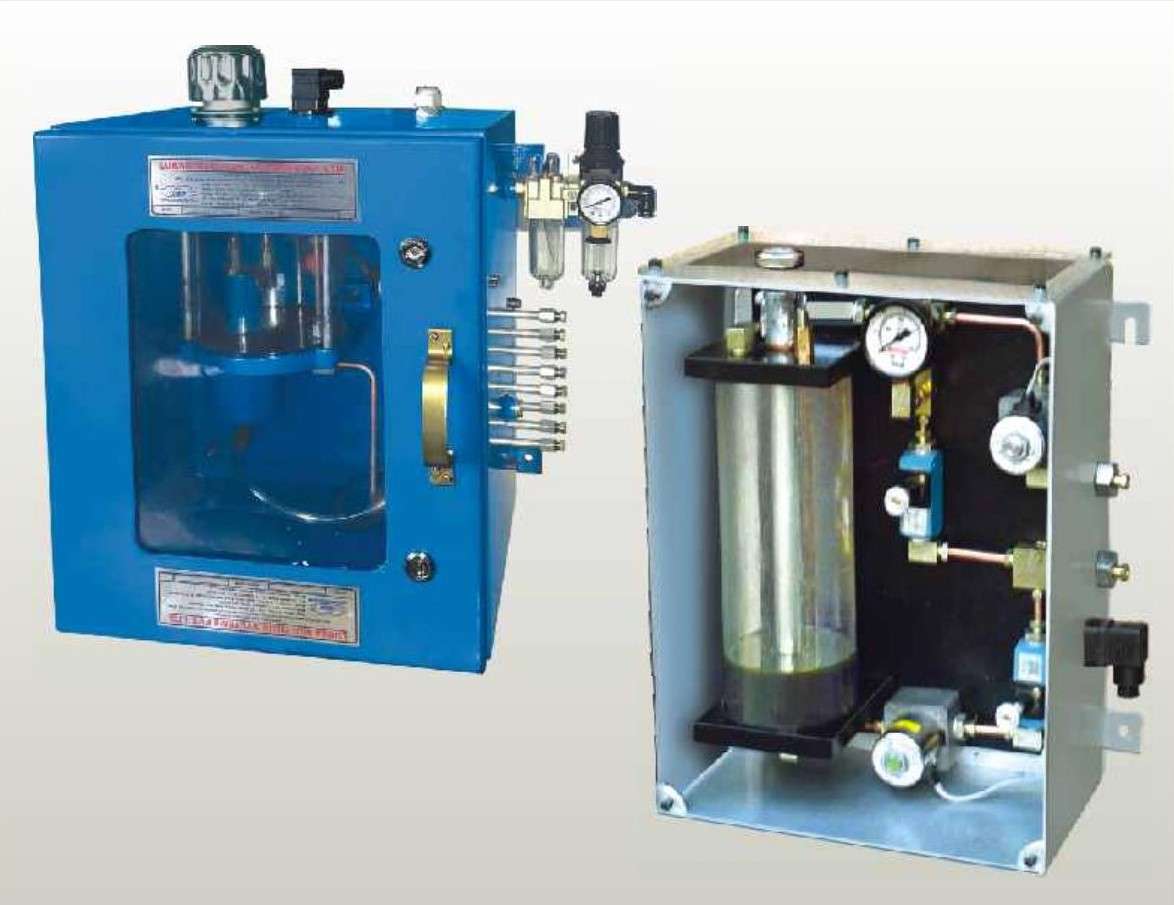
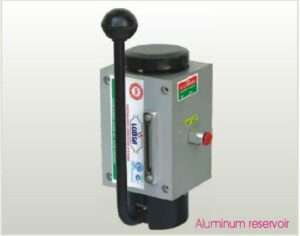
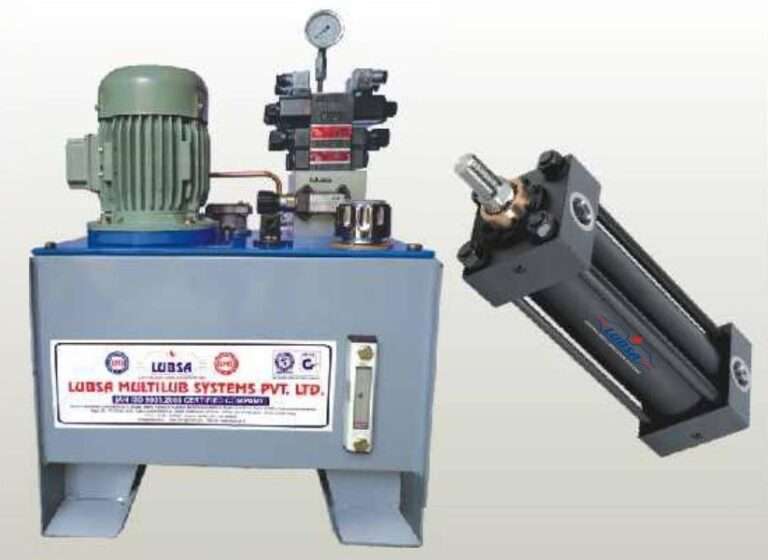
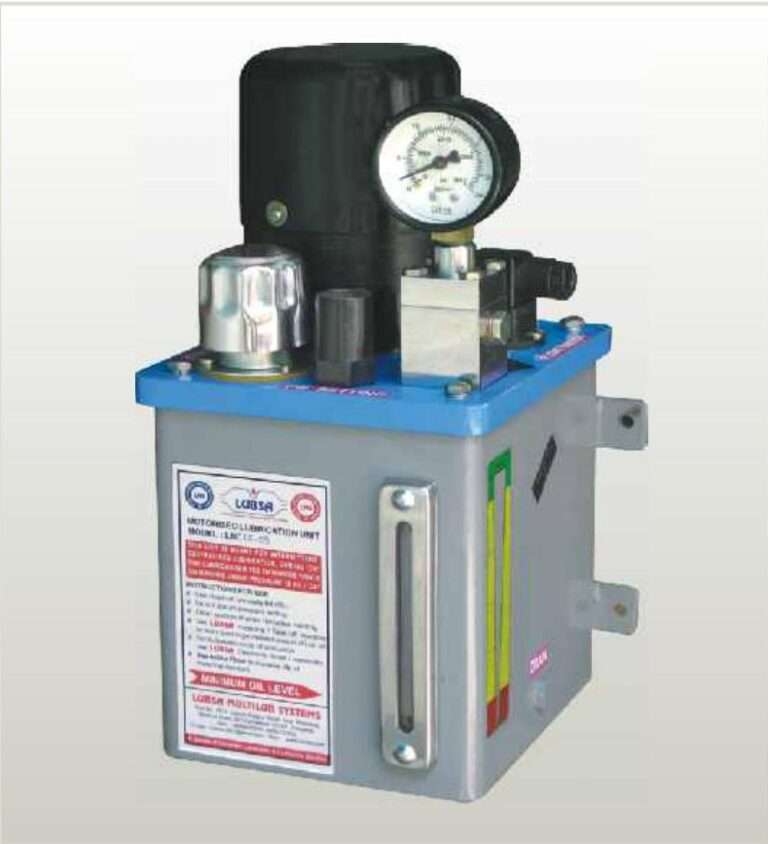
An oil mist lubrication system is an advanced automatic lubrication solution designed to deliver a controlled quantity of lubricating oil to bearings, gears, chains, spindles, and other moving machine components. Instead of manually applying oil at regular intervals, the system converts lubricating oil into a fine mist and transports it through a distribution network to the required lubrication points.
For industries operating high-speed, high-temperature, or continuously running machinery, maintaining the correct amount of lubrication is essential. Too little oil can increase friction, temperature, and wear, while excessive lubrication can create heat, leakage, contamination, and unnecessary operating costs. An oil mist lubrication system helps maintain a more consistent lubrication environment by supplying a controlled quantity of oil continuously or at programmed intervals.
LUBSA provides industrial lubrication solutions designed around the requirements of modern machinery and demanding production environments. Oil mist lubrication technology can help industries improve equipment reliability, reduce maintenance requirements, and support longer component service life.
What Is an Oil Mist Lubrication System?
An oil mist lubrication system uses compressed air to atomize lubricating oil into extremely small droplets. The resulting oil mist is carried through pipes or tubing toward the lubrication points. At the destination, the mist is condensed or directed onto the component surface so that the required amount of oil reaches the bearing or moving part.
A typical system consists of several important components:
- Oil reservoir or supply tank
- Oil mist generator
- Compressed air supply
- Oil and air control components
- Distribution manifold
- Tubing and piping
- Flow control devices
- Mist condensers or collectors
- Lubrication point fittings
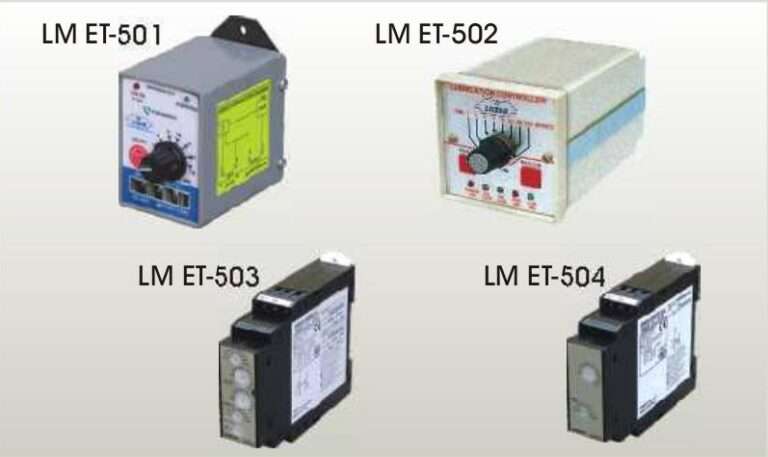
- Monitoring and control systems
The complete system can be configured according to machine type, operating speed, temperature, lubricant characteristics, number of lubrication points, and production conditions.
Unlike conventional manual lubrication, which depends heavily on operator schedules, an automatic oil mist lubrication system provides a controlled and repeatable method of delivering lubricant.
How Does an Oil Mist Lubrication System Work?
The working principle of an oil mist lubrication system is based on the atomization and transportation of lubricating oil.
First, lubricating oil is stored in a suitable reservoir. Compressed air enters the oil mist generator, where it interacts with the lubricant and breaks it into very fine droplets. The oil-air mixture forms a mist that can travel through a distribution network.
The mist is then transported to the required lubrication points. Depending on the application, a suitable separator or reclassification device may be used to ensure that the appropriate oil droplets reach the component.
At the lubrication point, the oil is deposited on the moving surface. The lubricant forms a protective film between contacting surfaces, helping reduce friction and wear.
The process can be summarized as:
Oil Supply → Atomization → Oil Mist Generation → Distribution → Condensation/Delivery → Component Lubrication
This continuous and controlled process is particularly useful for machinery where conventional lubrication methods may be difficult, inconsistent, or unsuitable.
Why Is Oil Mist Lubrication Important for Industrial Machinery?
Industrial machinery often operates for long hours under demanding conditions. Bearings, gears, chains, and rotating components can experience considerable friction and heat. Proper lubrication helps control these conditions and supports reliable machine operation.
An oil mist lubrication system can provide several important advantages.
1. Continuous Lubrication
The system can supply lubricant continuously or according to a predetermined operating cycle. This reduces dependence on manual lubrication intervals.
2. Controlled Oil Consumption
Because the system is designed to deliver measured quantities of lubricant, it can help prevent unnecessary oil consumption.
3. Reduced Friction and Wear
A consistent lubricant film can reduce direct metal-to-metal contact between moving surfaces, helping minimize component wear.
4. Better Bearing Performance
Oil mist lubrication is particularly useful for bearings operating at high speeds, where excessive lubricant can generate heat. Controlled lubrication can help support suitable operating conditions.
5. Lower Maintenance Requirements
Automated lubrication reduces the need for frequent manual lubrication activities. This can allow maintenance teams to focus on inspections and other preventive maintenance tasks.
6. Improved Machine Reliability
Consistent lubrication can help reduce lubrication-related failures and support more stable equipment performance.
7. Reduced Lubricant Waste
Properly designed lubrication systems deliver oil according to application requirements, which can reduce over-lubrication and unnecessary lubricant usage.
Applications of Oil Mist Lubrication Systems
Oil mist lubrication technology is suitable for a wide range of industrial applications where precise and continuous lubrication is required.
Bearings
High-speed and continuously operating bearings can benefit from a controlled supply of oil. Oil mist can provide lubrication without requiring large quantities of oil inside the bearing housing.
Electric Motors
Selected motor bearing applications can use oil mist lubrication to maintain a controlled lubricant supply and support reliable operation.
Pumps
Industrial pumps often operate continuously and may require reliable bearing lubrication. An oil mist system can provide automatic lubrication to suitable pump components.
Gearboxes
Gears require an appropriate lubricant film to reduce friction and wear. Oil mist technology can be considered for specific gearbox applications depending on operating conditions and manufacturer recommendations.
Machine Tools
High-speed spindles and other precision components may require carefully controlled lubrication. Oil mist systems can be used in suitable machine-tool applications.
Steel and Metal Processing Machinery
Heavy industrial equipment often operates in demanding environments. Automated lubrication systems can support consistent lubrication while reducing dependence on manual intervention.
Textile Machinery
High-speed rotating components in textile production can require controlled lubrication. Oil mist lubrication can be useful for appropriate high-speed bearing applications.
Compressors
Certain compressor bearing and mechanical applications can use oil mist systems to maintain reliable lubrication.
Cement and Heavy Engineering Equipment
Industrial equipment operating under heavy loads and long working cycles can benefit from automated lubrication technologies where the application is suitable.
Advantages of Choosing an Automatic Oil Mist Lubrication System
Manual lubrication can create several operational challenges. Different operators may apply different quantities of oil, lubrication schedules can be missed, and difficult-to-access lubrication points may not receive sufficient attention.
An automatic oil mist lubrication system addresses many of these issues by introducing a controlled lubrication process.
Consistent Lubrication
The system delivers lubricant in a controlled manner, helping maintain more consistent lubrication conditions.
Improved Productivity
By supporting machine reliability and reducing lubrication-related interruptions, automatic lubrication can contribute to smoother production operations.
Reduced Manual Intervention
Maintenance personnel do not need to manually lubricate every lubrication point at frequent intervals.
Improved Safety
Reducing the need for personnel to approach moving or difficult-to-access machine components for routine lubrication can contribute to safer maintenance practices.
Longer Component Life
Proper lubrication can help minimize friction and wear, potentially extending the service life of bearings and other components.
Better Maintenance Planning
Automated lubrication can become part of a preventive maintenance strategy, allowing lubrication activities to be managed more systematically.
Oil Mist Lubrication System vs Conventional Lubrication
Traditional lubrication methods include manual oiling, grease lubrication, oil baths, splash lubrication, and other techniques. Each method has specific applications.
Oil mist lubrication is particularly attractive where:
- Machinery operates continuously
- Components operate at high speed
- Lubrication points are difficult to access
- Controlled oil delivery is required
- Manual lubrication is inefficient
- Excess lubricant may cause heat generation
- Multiple lubrication points need centralized management
However, oil mist lubrication is not automatically suitable for every machine. Lubricant viscosity, operating temperature, bearing design, speed, environmental conditions, and equipment manufacturer recommendations should be considered before selecting a system.
Factors to Consider Before Selecting an Oil Mist Lubrication System
Selecting the correct system is important for achieving reliable performance. A professional lubrication solution should be designed according to actual machine requirements.
Number of Lubrication Points
The number and location of lubrication points determine the distribution network and required system capacity.
Machine Speed
High-speed components may require a different lubrication strategy than slow-moving heavy-load components.
Operating Temperature
Temperature affects lubricant viscosity and overall lubrication performance. The selected oil and system should be appropriate for the operating temperature range.
Lubricant Type and Viscosity
Not every oil is suitable for oil mist generation. Lubricant properties should be evaluated before system selection.
Air Supply
Compressed air quality, pressure, and availability are important considerations for an oil mist lubrication system.
Environmental Conditions
Dust, moisture, chemicals, temperature, and other environmental factors can influence system design.
Equipment Manufacturer Recommendations
The machinery manufacturer’s lubrication requirements should always be considered when designing or installing an automatic lubrication system.
Why Choose LUBSA for Oil Mist Lubrication Solutions?
LUBSA focuses on industrial lubrication technologies designed to support efficient and reliable machinery operation. The right lubrication system should not simply distribute lubricant; it should be matched to the equipment, operating conditions, lubricant requirements, and maintenance objectives.
LUBSA can help industries evaluate their lubrication requirements and identify suitable solutions for different machinery and applications.
A properly engineered oil mist lubrication system can help organizations move from reactive manual lubrication toward a more controlled and preventive lubrication approach.
For industries where machine uptime, component reliability, maintenance efficiency, and controlled lubricant consumption are important, investing in an appropriate automatic lubrication solution can provide significant operational value.
Oil Mist Lubrication System Maintenance
Although an automatic lubrication system reduces manual lubrication work, regular inspection is still important.
Maintenance teams should periodically check:
- Oil level in the reservoir
- Compressed air pressure
- Tubing and connections
- Oil mist generator performance
- Flow rates
- Lubrication point condition
- Filters and air treatment components
- Signs of leakage
- Abnormal bearing temperature
- Unusual machine noise or vibration
Preventive inspection helps identify potential issues before they affect machinery performance.
The lubrication system should also be maintained according to the manufacturer’s recommendations and the operating conditions of the equipment.
Oil Mist Lubrication System for Industrial Automation
As industries move toward automation and predictive maintenance, lubrication systems are increasingly becoming part of broader machine-management strategies.
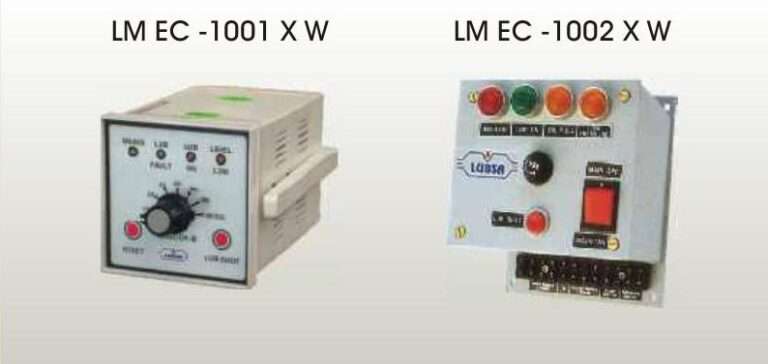
An oil mist lubrication system can be integrated with monitoring and control equipment to provide information about lubrication conditions. Depending on system configuration, parameters such as pressure, flow, oil level, and system status can be monitored.
This makes automated lubrication particularly relevant for modern manufacturing environments where equipment availability and preventive maintenance are important performance indicators.
Improve Equipment Reliability with Proper Lubrication
Lubrication is one of the most important elements of industrial equipment maintenance. Even high-quality bearings and mechanical components can experience premature wear when lubrication is inadequate, excessive, contaminated, or incorrectly applied.
The objective of an oil mist lubrication system is to create a controlled lubrication environment in which the right quantity of lubricant reaches the required component at the appropriate time.
For companies operating high-speed machinery, continuous production lines, pumps, motors, machine tools, compressors, and other industrial equipment, an engineered lubrication system can become an important part of their maintenance strategy.
LUBSA’s industrial lubrication solutions can help businesses explore appropriate lubrication technologies according to their machinery and operational requirements.
Frequently Asked Questions About Oil Mist Lubrication Systems
1. What is an oil mist lubrication system?
An oil mist lubrication system is an automatic lubrication system that uses compressed air to convert lubricating oil into a fine mist and transport it to designated machinery lubrication points.
2. How does an oil mist lubrication system work?
The system uses compressed air to atomize oil into fine droplets. The oil mist travels through a distribution network and reaches bearings, gears, or other suitable components where the lubricant is deposited to reduce friction and wear.
3. What are the main benefits of oil mist lubrication?
Major benefits include controlled lubrication, reduced manual intervention, lower lubricant consumption, consistent oil delivery, reduced friction, and potential improvement in component service life.
4. Where are oil mist lubrication systems used?
They can be used in suitable applications involving bearings, pumps, motors, compressors, gearboxes, machine tools, textile machinery, steel plants, and other industrial equipment.
5. Is oil mist lubrication suitable for high-speed bearings?
Oil mist lubrication can be suitable for certain high-speed bearing applications because it can deliver controlled quantities of lubricant. The final selection should be based on bearing design, speed, temperature, lubricant specifications, and equipment manufacturer recommendations.
6. What type of oil is used in an oil mist lubrication system?
The appropriate oil depends on the machinery, operating conditions, temperature, speed, and system design. Lubricant viscosity and compatibility should be evaluated before selecting the oil.
7. Does an oil mist lubrication system reduce maintenance?
It can reduce routine manual lubrication requirements and help make lubrication more consistent. However, regular system inspection and preventive maintenance remain necessary.
8. Can an oil mist lubrication system lubricate multiple points?
Yes. A properly designed centralized oil mist system can distribute lubricant to multiple lubrication points through a network of pipes, tubing, manifolds, and control components.
9. What industries use oil mist lubrication systems?
Oil mist lubrication can be used across manufacturing, steel, cement, automotive, machine tools, textile, power, chemical, and other industrial sectors where the application requirements are suitable.
10. How do I choose the right oil mist lubrication system?
The selection should consider the number of lubrication points, machine speed, load, operating temperature, lubricant viscosity, compressed-air availability, environmental conditions, and equipment manufacturer’s lubrication requirements.
11. Is oil mist lubrication better than manual lubrication?
For suitable industrial applications, oil mist lubrication can provide more consistent and controlled lubricant delivery than manual lubrication. However, the best lubrication method depends on the specific machine and operating conditions.
12. Can LUBSA provide an oil mist lubrication solution for my machinery?
LUBSA can help evaluate industrial lubrication requirements and identify an appropriate lubrication solution based on machinery type, lubrication points, operating conditions, and application requirements.
Get the Right Oil Mist Lubrication Solution from LUBSA
Reliable lubrication is essential for maintaining industrial equipment performance. An oil mist lubrication system provides a controlled and automated approach to supplying lubricant to suitable machinery components, helping reduce friction, manage wear, minimize manual intervention, and support preventive maintenance.
If your machinery requires continuous or precision lubrication, selecting a properly engineered system is important. LUBSA can help you evaluate your lubrication requirements and develop an appropriate industrial lubrication solution.
Looking for an oil mist lubrication system for your industrial machinery? Contact LUBSA to discuss your application, lubrication points, operating conditions, and system requirements.